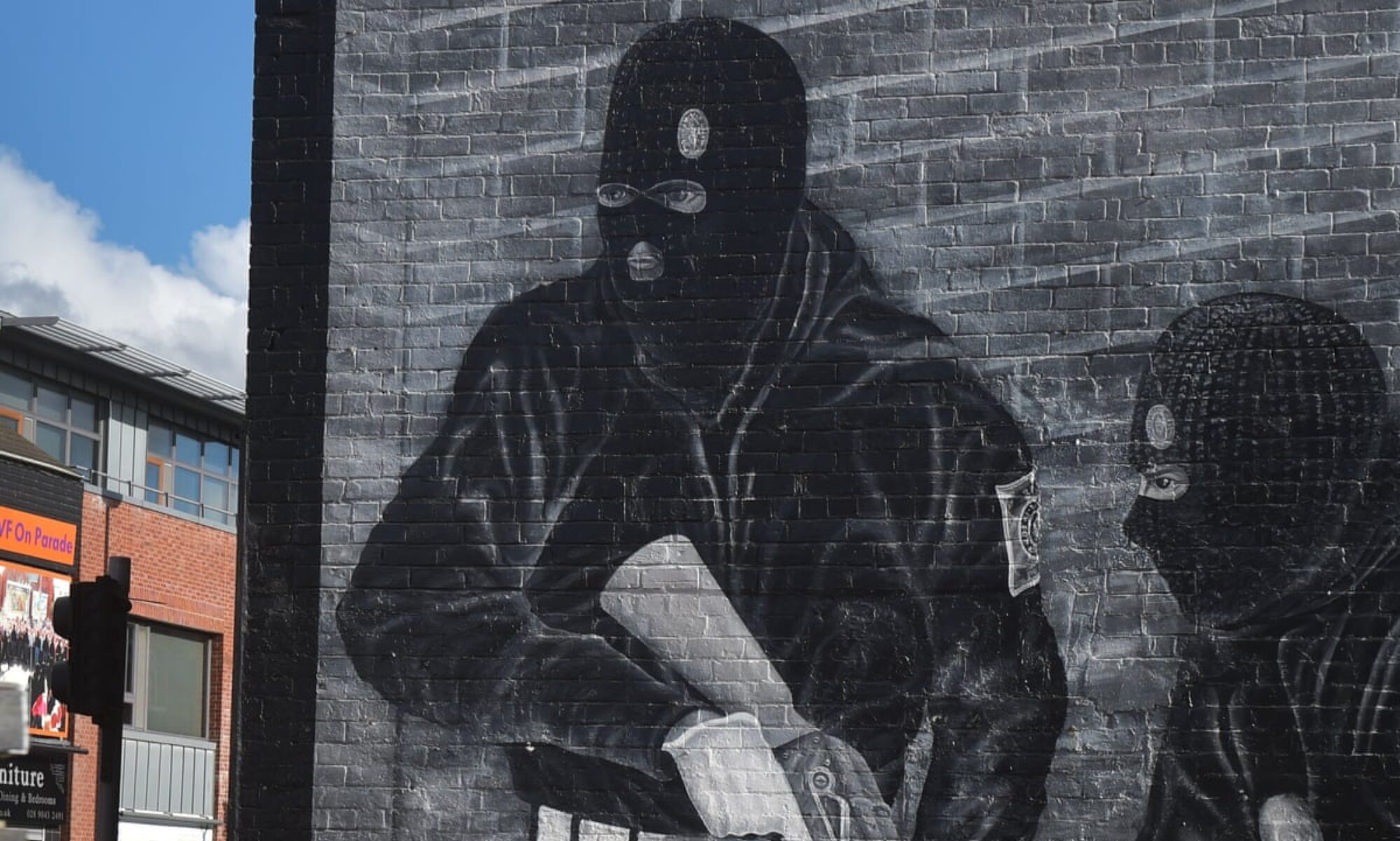
Exhibit 2: Interview with Orange Order and DUP Leaders in Lisburn, an Associated Press Video, July 2021
“It is very important that we maintain freedom in Northern Ireland, for everybody of every class, every creed and every race and…that’s why we are here to celebrate today.”
– Edwin Poots, Former Leader of the DUP
“We see that the British government has – I wouldn’t say betrayed us – but led us down an alleyway, that we feel, we can see, the tentacles of a united Ireland here.”
– Declan Harrison, Leader of Loyal Orange Lodge Lisburn #6
This short Associated Press video covers the Orange Order marches in Lisburn, celebrating the Twelfth of July festivities in 2021.1 The short video follows the Lisburn city center parade procession, highlighting the marching bands’ music, and the wide variety of spectators, from young to old, enjoying the festivities.
In addition, the video includes an interview with Edwin Poots, a long-time member of the Northern Ireland Assembly and former leader of the Democratic Unionist Party in 2021. Poots is wearing the traditional Orange Order sash and discusses how the parades commemorate Northern Ireland, securing freedom and religious liberty for all. He claims that the marches help illustrate the importance of continuing the tradition of freedom and religious liberty in Northern Ireland for future generations.
The presence of Edwin Poots at the Lisburn parade demonstrates the increasing connection between the Orange Order and DUP in recent years. Since the passing of the GFA, Orange Order allegiance has significantly shifted away from the pro-GFA UUP towards the anti-GFA DUP.2 Furthermore, the Orange Order’s pro-Brexit stance aligns with the DUP as opposed to the UUP, which supported remaining part of the EU. 3 The DUP remains the largest Euroskpetic party in Stormont and voted in favor of Brexit, which further garnered support for the party among Orange Order members.4 Therefore, the shifting political alignment of the Orange Order in the post-GFA era is emphasized through the film by DUP leader Edwin Poots partaking in the Twelfth of July parade, and his claim that the marches are critical to preserving Orangeism for future generations.
Similarly, the AP video features a short interview with the Orange Order Lisburn District leader Declan Harrison, who emphasizes the Orange Order’s disappointment with the British government and looming fear of a united Ireland. First, Harrison expresses his dismay at the current Brexit arrangement of the Northern Ireland Protocol, as the Orange Order views the arrangement as a significant step towards a united Ireland. Therefore, his views coincide with that of Poots and the DUP, who also perceive the arrangement as detrimental to the Unionist cause in preventing reunification. Once more illustrating how the Orange Order and DUP have come to share similar political viewpoints.
Next, Harrison discusses another crucial change in the Orange Order since the GFA: declining membership across the island. He explains that the only current active Lodges are those in border counties and that many Lodges in the Republic have not met or marched in years. Moreover, membership within the Orange Order peaked at 93,447 in 1968, falling to 35,578 in 2006 (as reported by the organization)—thus greatly reducing the organization’s political influence.5
Overall, the AP video short interviews demonstrate a few central aspects of the changing dynamics of the Orange Order following the Troubles. The interviews illuminate how the organization’s political affiliation has moved toward supporting the DUP due in part to their similar views on the GFA and the flawed implementation of Brexit. Lastly, the video points to the fact that membership has drastically declined since the Troubles, therefore leading the organization to gear its efforts towards highly visible and public-facing events such as parades and bonfires to recruit the future generation of the Order.
Footnotes
- Associated Press. 2021. “Orange order members hold parade in Northern Ireland.” AP Newsroom. https://newsroom.ap.org/editorial-photos-videos/detail itemid=ee94f4b92 fad4832b2dcffd4bfb088a4&mediatype=video&source=youtube
- McAuley, J.W. and Tonge, J. (2007), “For God and for the Crown”: Contemporary Political and Social Attitudes among Orange Order Members in Northern Ireland. Political Psychology, 28: 33-52. https://doi.org/10.1111/j.1467-9221.2007.00550.x
- Webster, J. (2022). From Scottish Independence, to Brexit, and Back Again, Social Anthropology/Anthropologie Sociale, 30(4), 18-36. Retrieved Jun 1, 2023, from https://doi.org/10.3167/saas.2022.300403
- McAuley, J.W. and Tonge, J. (2007), “For God and for the Crown”: Contemporary Political and Social Attitudes among Orange Order Members in Northern Ireland. Political Psychology,28: 33-52. https://doi.org/10.1111/j.1467-9221.2007.00550.x
- Tonge, Evans, J., Jeffery, R., & McAuley, J. W. (2011). New Order: Political Change and the Protestant Orange Tradition in Northern Ireland. British Journal of Politics & International Relations, 13(3), 400–419. https://doi.org/10.1111/j.1467-856X.2010.00421.x
