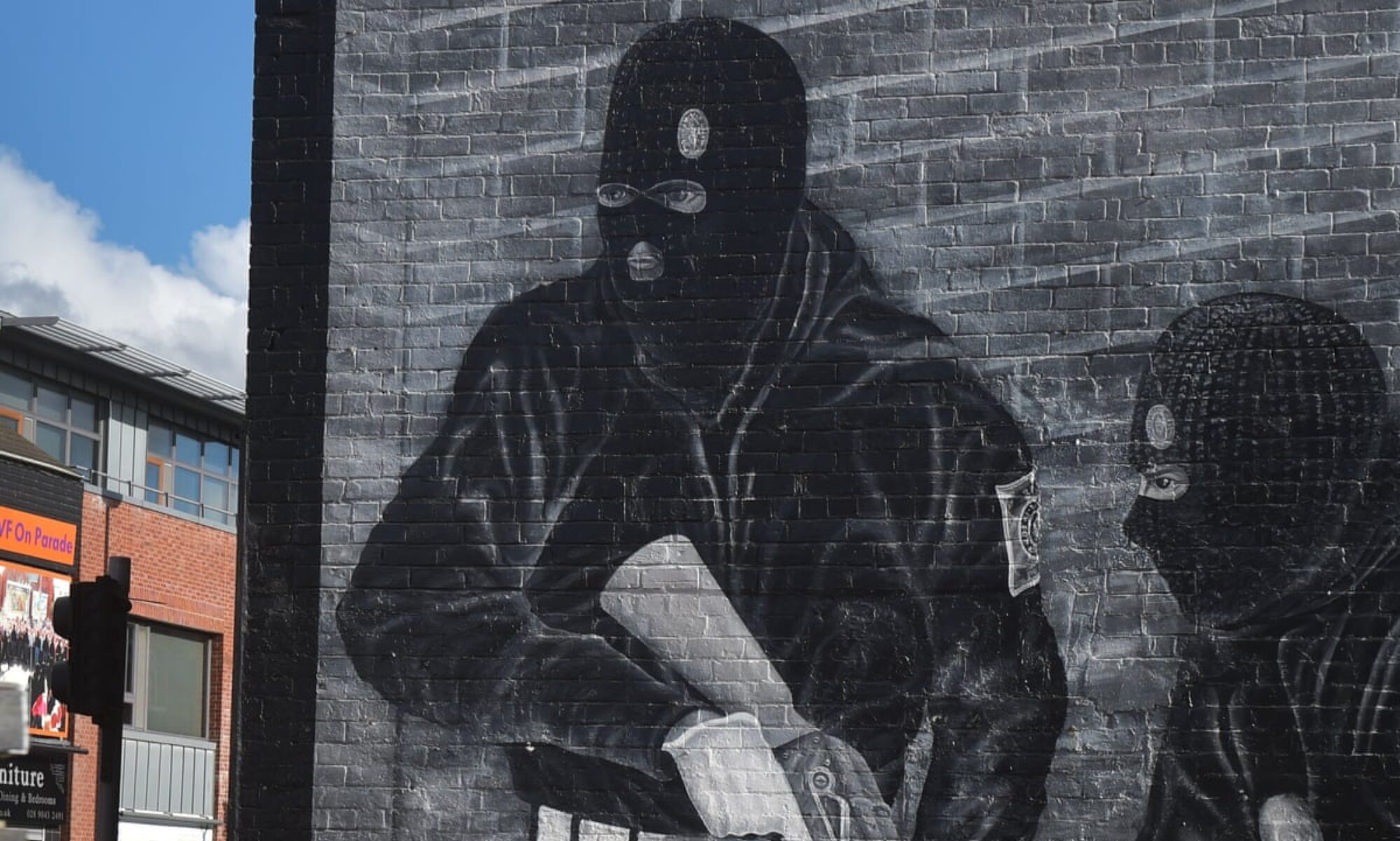
Exhibit 6: Political Cartoon on the Drumcree Conflict: ‘Phew! For a While…’ Guardian, 1996

Guardian Poltical Cartoon, Published in 1996
This political cartoon published by the Guardian in 1996 depicts the events at the Orange Order Walk in Drumcree in 1996 that led to clashes between Unionists and Nationalists.1 Specifically, the contention about the march stemmed from the Orange Order’s proposed parade route going down Garvaghy Road in Portadown, which was 95% Catholic at the time.2 Initially, local authorities prohibited the Orange Order from marching down Garvaghy Road. The Orangemen perceived the rejection of the parade route as an infringement upon their liberties and community values. Therefore, the Orange initiated a standoff with security forces on the Twelfth of July in 1996. Eventually, the local police succumbed to Unionist threats and allowed the Orangemen to parade on Garvaghy Road, despite Nationalists’ objections.3 Violent clashes ensued in which Nationalists protestors were met with violence by security forces, despite the initial standoff beginning with Orange Order members. The police escorted the angered Nationalists inside their homes while they let the Orangemen free to parade down Garvaghy Road.4
This cartoon emphasizes how the local authorities turned on the Nationalist population by forcing them away from Garvaghy Road to allow the Orange march. The quote by the police officer in the cartoon refers to how the security forces initially were in a standoff with the Orange Order, which caused him to “lose touch with [his] inner self,” thus indicating his Unionist sympathies.5 Accordingly, the officer is relieved when he no longer has to clash with fellow Unionists and instead gets to force the Nationalists away from the parade.
The authorities handling of the situation and giving away to Unionist demands at the expense of Nationalists deepened the existing mistrust of Nationalists for both the Orange Order and local security forces. The cartoon and events of the Drumcree parade exemplify how security forces aligned with the Unionist cause and thus aimed disproportionate violence toward the Nationalist population.
Considering the events in Drumcree in 1996 was nearly identical to occurred in the town the year prior during the Twelfth of July, the Orange Order parades significantly exacerbated community divisions.6 The dispute over the route demonstrated the need for sustained and mediated dialogue between the Nationalist and Unionist communities to address disputes and promote reconciliation.
The Drumcree parade in 1996 serves as a reminder of the deep-rooted tensions and division surrounding the Northern Ireland traditions of the Orange Order. The parades do not just serve the Unionist community by upholding their traditions and heritage but also significantly inflame the Nationalist community while fueling further tension and often leading to inciting violent clashes.
Footnotes
- Bell. 1996. “Phew! For a While…” Guardian, 12 July, 150.
- Bryan, Dominic. Orange Parades: The Politics of Ritual, Tradition and Control. Pluto Press, 2000. JSTOR, https://doi.org/10.2307/j.ctt18fs351. Accessed 1 June 2023.
- Ibid.
- Ibid.
- Bell. 1996. “Phew! For a While…” Guardian, 12 July, 150.
- Bryan, Dominic. Orange Parades: The Politics of Ritual, Tradition and Control. Pluto Press, 2000. JSTOR, https://doi.org/10.2307/j.ctt18fs351. Accessed 1 June 2023.
